
Lorem ipsum dolor sit amet, consectetur adipiscing elit. Suspendisse pellentesque vel dui interdum viverra. Donec vestibulum, eros luctus blandit laoreet, augue tellus

+01145928421
blu@example.com

March 2026

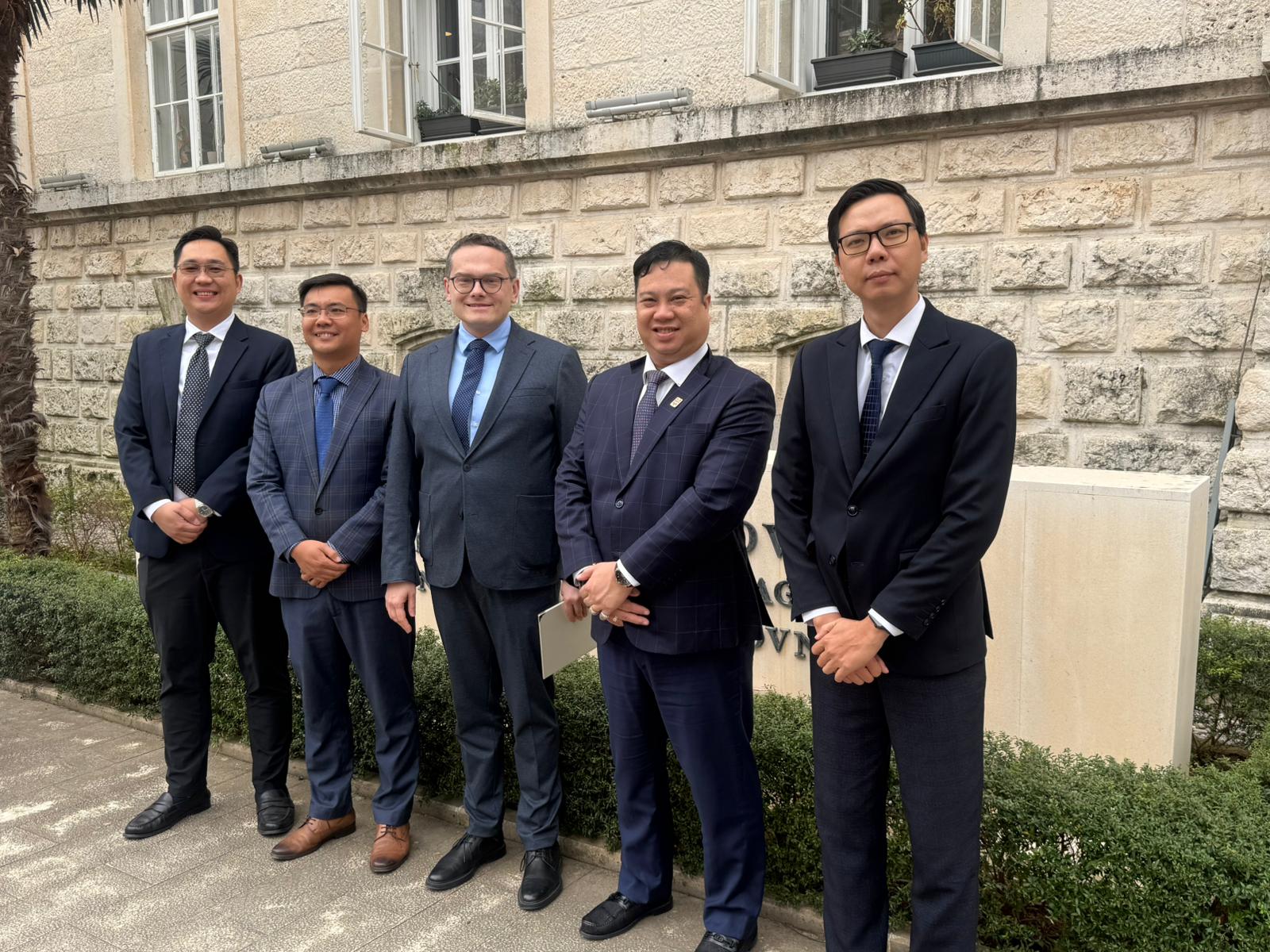
The University of Dubrovnik hosted a four-day technical training on microcredential development in Dubrovnik from 3 to 6 March as part of MICRO4ASIA project. The workshop brought together academic and technical staff from partner universities in Vietnam and Laos to strengthen their technical and pedagogical capacities for developing and delivering micro-credential courses in online and hybrid formats.

One of the key objectives of the MICRO4ASIA project is the development of a Common Recognition Mechanism (CRM) for micro-credentials that can support transparency, trust, and cross-institutional recognition across higher education systems. As a first step, the project conducted a comparative benchmarking analysis of micro-credentials and similar short learning formats across Asian partner countries and beyond. The results provide valuable insights into how micro-credentials are currently designed, documented, and recognised, and they form the analytical basis for the future development of the CRM.

Micro-credentials are rapidly gaining attention around the world as flexible, targeted certifications attesting to specific skills and learning outcomes. Yet without effective recognition mechanisms, their full potential is limited across institutions, sectors, and borders. In this article we explain what a Common Recognition Mechanism is, why it is useful for EU institutions, schools, businesses and the labour market, what the current landscape looks like in Europe, and why a CRM could be transformative for countries like Vietnam, Laos and the wider Southeast Asian region.

Micro-credentials are gaining attention as a flexible learning option that complements traditional higher education. This article explains what micro-credential courses are, how they differ from standard university courses and study programmes, who they are designed for, and why they are increasingly important for learners, institutions, and the labour market at national and international levels.