Lorem ipsum dolor sit amet, consectetur adipiscing elit. Suspendisse pellentesque vel dui interdum viverra. Donec vestibulum, eros luctus blandit laoreet, augue tellus

+01145928421
blu@example.com

March 2026

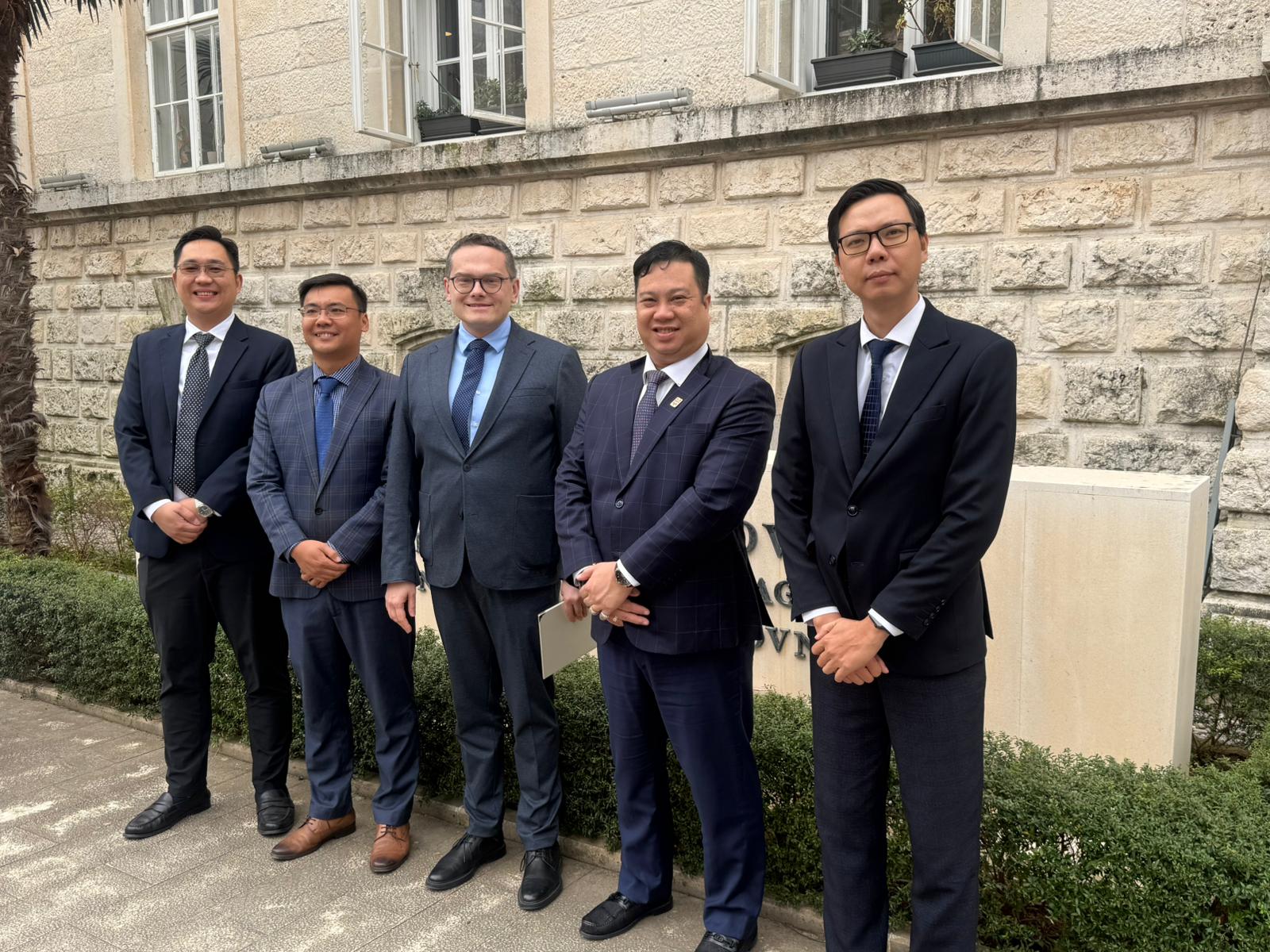
ມະຫາວິທະຍາໄລ Dubrovnik ໄດ້ເປັນເຈົ້າພາບຈັດການຝຶກອົບຮົມດ້ານເຕັກນິກເປັນເວລາ 4 ມື້ ກ່ຽວກັບການພັດທະນາ microcredential ທີ່ເມືອງ Dubrovnik ໃນລະຫວ່າງວັນທີ 3 ຫາ 6 ມີນາ ໃນກອບຂອງໂຄງການ MICRO4ASIA.

ໜຶ່ງໃນຈຸດປະສົງສຳຄັນຂອງໂຄງການ MICRO4ASIA ແມ່ນການພັດທະນາກົນໄກການຮັບຮູ້ຮ່ວມ (CRM) ສຳລັບ micro-credentials ທີ່ສາມາດສະໜັບສະໜູນຄວາມໂປ່ງໃສ, ຄວາມໄວ້ວາງໃຈ, ແລະ ການຮັບຮູ້ຂ້າມສະຖາບັນໃນລະບົບການສຶກສາຂັ້ນສູງ. ໃນຂັ້ນຕອນທຳອິດ, ໂຄງການໄດ້ດຳເນີນການວິເຄາະປຽບທຽບ micro-credentials ແລະ ຮູບແບບການຮຽນຮູ້ລະຍະສັ້ນທີ່ຄ້າຍຄືກັນ ໃນບັນດາປະເທດຄູ່ຮ່ວມໃນອາຊີ ແລະ ນອກເໜືອຈາກນັ້ນ. ຜົນການວິເຄາະໄດ້ໃຫ້ຂໍ້ມູນເຊິ່ງມີຄຸນຄ່າກ່ຽວກັບວິທີທີ່ micro-credentials ຖືກອອກແບບ, ບັນທຶກເອກະສານ ແລະ ຮັບຮູ້ໃນປັດຈຸບັນ, ແລະ ຜົນເຫຼົ່ານີ້ເປັນພື້ນຖານທາງການວິເຄາະສຳລັບການພັດທະນາ CRM ໃນອະນາຄົດ.

Micro-credentials are rapidly gaining attention around the world as flexible, targeted certifications attesting to specific skills and learning outcomes. Yet without effective recognition mechanisms, their full potential is limited across institutions, sectors, and borders. In this article we explain what a Common Recognition Mechanism is, why it is useful for EU institutions, schools, businesses and the labour market, what the current landscape looks like in Europe, and why a CRM could be transformative for countries like Vietnam, Laos and the wider Southeast Asian region.

Micro-credentials are gaining attention as a flexible learning option that complements traditional higher education. This article explains what micro-credential courses are, how they differ from standard university courses and study programmes, who they are designed for, and why they are increasingly important for learners, institutions, and the labour market at national and international levels.